The Motorcycle Diaries
On Thursday in the ENG101 class, we sat in a circle and read the first segment of Che Guevara's The Motorcycle Diaries. The brief prologue of sorts is called "Entendamonos," translated in this edition as "So we understand each other."

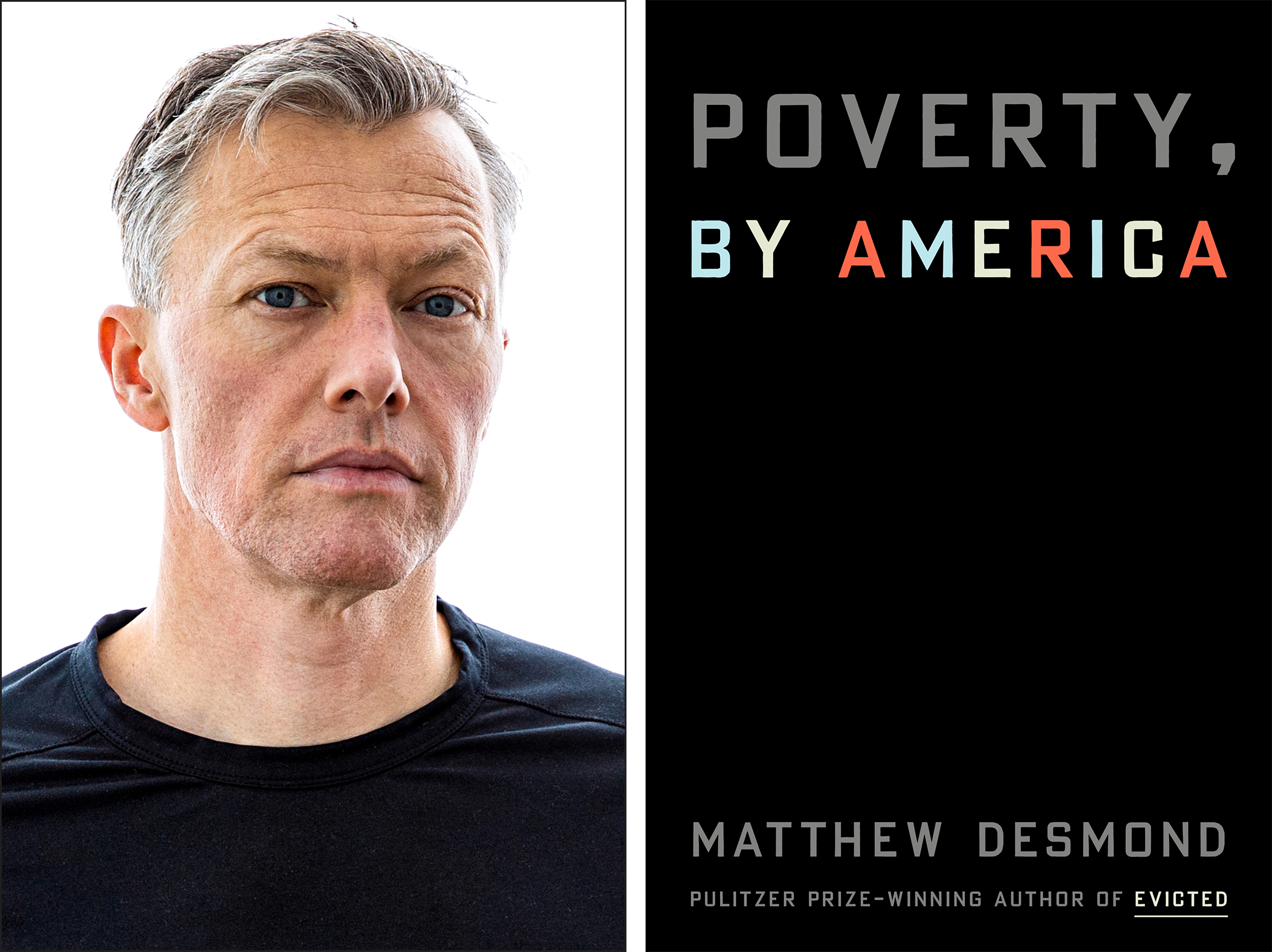
This morning I listened to an episode of the Ezra Klein show where he interviews Matthew Desmond, author of Evicted and, most recently, Poverty by America about how many people in the US benefit from poverty (most of us listening, for sure) and therefore don't do anything about it. His reporting for different books, and Ezra's platform for sharing views like Desmond's with a white, rich audience, seem like two ways to help fight the fight.
No one knew much about Che Guevara, or at least they weren't willing to say if they did. Then, one student, R, gave a whole spiel about his having participated in Marxist revolution in Cuba, and gave the backstory of how Marxism came about in the 19th century. It was a surprise! I never know what students will know.
She pointed out something interesting about Che - that he was from a middle class background, and had been studying medicine when he took this motorcycle trip. Like Buddha and the Prophet Muhammad, Che was born into a comfortable life and adopted the struggle of the poor and working class.
In our discussion of the prologue, students found that Che seemed not to care what we readers make of his tale -- that it was true for him. He acknowledges we have no way of checking whether the reports are true. He also acknowledges that what we see, we often misunderstand, and even his faithful accounts of what he saw may miss a large part of the picture.
H said that this happens all the time when we see something on the street and invent a whole story in our heads. We tell that story to others, when in all likelihood we have misunderstood the initial vision. I thought this was a very good point.
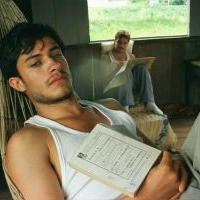
I was inspired by the discussion to finally watch the movie, made in 2004, starring the handsome Gael Garcia Bernal. What strikes me is that Che, as portrayed by Bernal, is as the students described. He is not a people pleaser like his companion Alberto, who is willing to shift their story or his facial expression depending on the circumstance in order to get what he wants. Che speaks in his own unvarnished truth.
The most moving part of the movie for me was a scene where Alberto and Ernesto are sharing a fire with an indigenous couple in Chile. They share their story of how they were dispossessed of their land. Then the husband asks, "If you're not looking for work, why are you traveling?" It's an awkward moment for Che and Alberto because an honest answer will reveal their affluence which until now has not been obvious. "Viajamos para viajar." says Che, we're traveling to travel. The look of disbelief and consternation on the husband's face humbled me and Che, it seems.
The film prompted me to wonder what middle class people can do (shy of leading revolutions like Che did) to participate in the struggle to end injustice.
This morning I listened to an episode of the Ezra Klein show where he interviews Matthew Desmond, author of Evicted and, most recently, Poverty by America about how many people in the US benefit from poverty (most of us listening, for sure) and therefore don't do anything about it. His reporting for different books, and Ezra's platform for sharing views like Desmond's with a white, rich audience, seem like two ways to help fight the fight.
I am uncomfortable with how little I feel I can express my solidarity with the poor people of Bangladesh. The caste system separates us, as does language and cultural identity. I identify as an educated, well-off westerner, and there doesn't seem to be a lot of opportunity for me to commune with lower caste working people here. Maybe I'm allowing there to be more of a barrier than there needs to be.
My prayerful question is, where can I take actions and make gestures that reduce the barriers between us? How can I demonstrate with my choices, my words, and my expressions, that I want there to be fewer separations between us?


Comments
Post a Comment